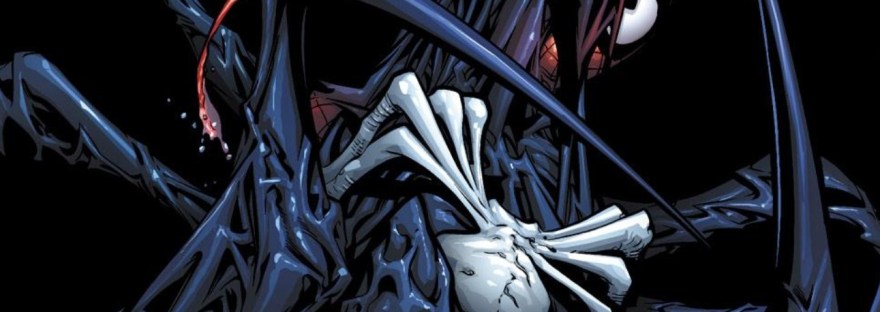
Note: There are two versions of this: a shorter outline view and more detailed one describing my logic. This is the longer version. I've determined there're two ways comics can approach a Big Narrative Change. There's the unexpected and the out of character. And this has nothing to do with fandom response or the quality… Continue reading Spectacular Spider-Man: The Hunger-A Case study in Major Narrative Shifts (Long Version)
Category: Media Literacy and Analysis
The Failed Villain to Hero Pipeline as a Pop Culture Thermometer
The Punisher, Frank Castle, began as a Spider-Man antagonist. I donโt think this is secret knowledge. If anything, itโs one of the key issues of Amazing Spider-Man. The kind that people slab and grade. The kind of issue whose cover gets homages in other comic runs twenty years down the line. This is not unknown… Continue reading The Failed Villain to Hero Pipeline as a Pop Culture Thermometer
A Year in Forums: Fake Fans and the Proliferation of Non-Analysis
I spent some time in a lot of new pop media forums this year. This is what I observed. In comic book circles, it's a very difficult time to be someone who actually liked the movie Madame Web. Who didn't think Morbius was "that bad, damn, y'all need to calm down." Some of the Spider-Man… Continue reading A Year in Forums: Fake Fans and the Proliferation of Non-Analysis
Cultural Conservatism and the Collapse of Media Critique
Last week, the next installment in the Dragon Age franchise released, Dragon Age: The Veilguard. I'm a huge fan of the series and the studio that makes the franchise. Now the video game community, as a whole, has a really high capacity for what really comes down to justโฆidiocy, honestly. It's been a problem pretty… Continue reading Cultural Conservatism and the Collapse of Media Critique
The Application of Camp in Horror Media
Weโre at a stage in the media landscape where I sometimes wonder if we should ever so slightly gatekeep the word camp, if only to preserve some sense of meaning. For the sake of this thought experiment, imagine camp in your head. Further imagine camp horror, specifically. Because we do this thing where weโll say… Continue reading The Application of Camp in Horror Media
I Hate the Book It, but Love the Mini-series
When I was about nine (give or take a year) some cable channel or other was re-running the 1990 It mini-series over the course of a week leading up to Halloween. My mom hadnโt seen it since in released the first time and thought it would be fun family TV. Now this might be horrifying… Continue reading I Hate the Book It, but Love the Mini-series
Deconstructing Genre Expectations Through the Lens of Horror
For horror movies, I love a good paranormal story. Something with demons or ghosts that present this sort of otherworldly threat. Mostly because I have the audacity to think I could take out a slasher, alien, monster, or otherwise corporeal menace. So I like a real threat.It's also one of the very few genres where… Continue reading Deconstructing Genre Expectations Through the Lens of Horror
Refining the Definition of Horror (In the Dumbest Way Possible)
A few years ago, a journalist bade the bold claim, on Twitter, that the Alien movies werenโt horror because they were set in space.Iโve always haunted a fair few movie and horror forums, and it was reposted there multiple times (hereโs one of the places I saw it on Reddit where itโs still posted). No… Continue reading Refining the Definition of Horror (In the Dumbest Way Possible)
An Adaptation Casestudy in Comics
One of my favorite examinations of adaptation from book to movie or television is comics. That covers graphic novels, superhero comics, manga, webtoons, etc. All these types of comics while ostensibly in the same essential format present entirely different challenges.Graphic novels and completed short serials (ex. V for Vendetta, Gender Queer, 30 Days of Night)… Continue reading An Adaptation Casestudy in Comics
Acting and Set Design Theory for Books
Thereโs this really annoying (to me) piece of advice that gets flung around in writing circles about the use of dialog tags. The short is just to not use them at all. Just use โsaid.โ On the surface itโs that same sort of blanket advice that doesnโt actually work and isnโt reflective of real life… Continue reading Acting and Set Design Theory for Books